- Not Applicable
Enquiry



Enhance your skills in network virtualization, including concepts like NSX architecture, network services, and security within virtualized environ ments. Boost your expertise in deploying, managing, and optimizing virtual networks by earning the VMware Certified Professional - Network Virtualization 2024 (VCP-NV 2024) certification.
VMware certifications are known for their rigorous standards, and the VCP-NV 2024 Certification Training at EMIGO NETWORKS is designed to help professionals excel in the rapidly growing field of network virtualization. This course provides a structured path for individuals to gain a deep understanding of VMware's advanced networking technologies, offering an entry point into the dynamic world of software-defined networking.
Our expert trainers bring years of hands-on experience and are passionate about helping learners succeed. Interactive sessions encourage active participation, fostering an environment where questions and discussions are always welcomed, ensuring you gain the confidence and skills needed to clear the certification exam and succeed in your career.
The VMware Certified Professional – Network Virtualization 2024 (VCP NV 2024) training at Emigo Networks empowers IT professionals to expertly design, deploy, and manage VMware NSX based virtual networks. This course covers NSX architecture, logical switching and routing, distributed firewalling, load balancing, VPN services, and network troubleshooting. Designed for hands-on learning through labs and real-world scenarios, it ensures participants develop the skills needed to operate secure, scalable software-defined network environments in enterprise data centers.
a. Demonstrate knowledge of VMware Virtual Cloud Network and NSX
o Describe the purpose of VMware Virtual Cloud Network and its framework
o Identify the benefits and recognize the use cases for NSX
o Describe how NSX fits into the NSX product portfolio
o Recognize features and the main elements in the NSX architecture
o Describe NSX policy and centralized policy management
o Describe the NSX management cluster and the management plane
o Identify the functions of control plane components, data plane components, and communication channels
b. Demonstrate knowledge of NSX Management Cluster
o Explain the deployment workflows for the NSX infrastructure
c. Demonstrate knowledge of the NSX UI
o Distinguish between the Policy and the Manager UI
d. Demonstrate knowledge of the data plane
o Describe the functions of transport zones, transport nodes, VDS, and N-VDS
o Explain the relationships among transport nodes, transport zones, VDS, and N-VDS
o Describe NSX VDS
o Describe uplink profiles
e. Demonstrate knowledge of logical switching
o Describe the functions of NSX segments
o Recognize different types of segments
o Explain tunneling and the Geneve encapsulation protocol
o Describe the interaction between components in logical switching
o Describe the function of kernel modules and NSX agents installed on ESXi
o Describe the function of the management plane in logical switching
o Describe the function of the control plane in logical switching
f. Demonstrate knowledge of logical switching packet forwarding
o Describe the functions of each table used in packet forwarding
o Describe how BUM traffic is managed in switching
o Explain how ARP suppression is achieved
g. Demonstrate knowledge of segments and segment profiles
o Define what a segment is
o Describe the purpose of segment profiles
o Identify the functions of the segment profiles in NSX
h. Demonstrate knowledge of logical routing
o Explain the function and features of logical routing
o Describe the architecture of NSX two-tier routing
o Differentiate between north-south and east-west routing
o Describe the gateway components
o Recognize the various types of gateway interfaces
i. Demonstrate knowledge of NSX Edge and Edge Clusters
o Explain the main functions and features of the NSX Edge node
o Describe the functions of the NSX Edge cluster
o Identify the NSX Edge node form factors and sizing options
o Describe the different NSX Edge node deployment methods
j. Demonstrate knowledge of Tier-0 and Tier-1 Gateways
o Explain how to configure a Tier-0 gateway and Tier-1 gateway
o Explain Active/Active Tier-0 and Tier-1 configurations
o Explain Active standby Tier-0 and Tier-1 configurations
o Explain Stateful Active/Active Tier-0 and Tier-1 configurations
o Explain multi-tenancy use in a Tier-0 gateway
k. Distinguish between static and dynamic routing lain OSPF and BGP configurations
l. Demonstrate knowledge of ECMP and high availability
o Explain the purpose of ECMP routing
o Identify the active-active and active-standby modes for high availability
o Recognize failure conditions and explain the failover process
m. Demonstrate knowledge of logical routing packet walk
o Describe the datapath of single-tier routing
o Explain the datapath of multitier routing
n. Demonstrate knowledge of VRF Lite
o Describe VRF Lite
o Explain the benefits of VRF Lite
o. Demonstrate knowledge of bridging
o Describe the purpose and function of bridging
o Distinguish between routing and bridging
p. Demonstrate knowledge of NAT and how it is used with NSX
o Explain the role of network address translation (NAT)
o Distinguish between source and destination NAT
o Describe how reflexive NAT works
o Explain how NAT64 facilitates communication between IPv6 and IPv4 networks
o Describe stateful active-active NAT operation
q. Demonstrate knowledge of DHCP and DNS
o Explain how DHCP and DHCP Relay are used for IP address allocation
o Configure DHCP services in NSX
o Describe how to use a DNS forwarder service
r. Demonstrate knowledge of IPSec VPN
o Explain how IPSec-based technologies are used to establish VPNs
o Compare policy-based and route-based IPSec VPN
o Describe IPSec VPN requirements in NSX
s. Demonstrate knowledge of L2 VPN
o Describe L2 VPN technologies in an NSX
o Identify various supported L2 VPN endpoints
t. Demonstrate knowledge of integrating NSX with VMware Identity Manager
o Describe the purpose of VMware Identity Manager
o Identify the benefits of integrating NSX with VMware Identity Manager
u. Demonstrate knowledge of integrating NSX with LDAP
o Identify the benefits of integrating NSX with LDAP
o Describe the LDAP authentication architecture
v. Demonstrate knowledge of managing users and configuring RBAC
o Identify the different types of users in NSX
o Recognize permissions and roles available in NSX
o Understand the use of orgs and projects in multi-tenancy
w. Demonstrate knowledge of Federation Architecture, needed prerequisites, Federation Networking, and Federation Security
o Describe Federation and its use cases
o Describe the requirements and limitations of Federation
o Describe the Federation configuration workflow
o Describe the prerequisites for Federation
o Describe the onboarding of Local Manager configurations and workloads
o Describe the stretched networking concepts in Federation
o Explain the supported Tier-0 and Tier-1 stretched topologies
o Explain Layer 2 concepts related to NSX Federation
o Explain the Federation security use cases
o Describe the Federation security components
o Explain the security configuration workflows
x. Demonstrate knowledge of DPU-based acceleration for NSX
a. Prepare an NSX infrastructure for deployment
o Create Transport Zones
o Create IP Pools
o Prepare ESXi Hosts
b. Configure segments
o Create segments
o Attach VMs to segments
o Use network topology to validate the logical switching configuration
c. Deploy and configure NSX Edge Nodes
o Deploy NSX Edge Nodes
o Configure an Edge Cluster
d. Configure the Tier-1 gateway
o Create a Tier-1 gateway
o Connect segments to the Tier-1 gateway
o Use network topology to validate the Tier-1 gateway configuration
e. Create and configure a Tier-0 gateway with OSPF
o Create uplink segments
o Create a Tier-0 gateway
o Connect the Tier-0 and Tier-1 gateways
o Use network topology to validate the Tier-0 gateway configuration
f. Configure the Tier-0 gateway with BGP
o Create uplink segments
o Create a Tier-0 gateway
o Connect the Tier-0 and Tier-1 gateways
o Use network topology to validate the Tier-0 gateway configuration
g. Configure VRF Lite
o Create the uplink trunk segment
o Deploy and configure the VRF gateways
o Deploy and connect the Tier-1 gateways to the VRF gateways
o Create and connect segments to the Tier-1 gateways
o Attach VMs to segments on each VRF
o Review the routing tables in each VRF
h. Configure Network Address Translation (NAT)
o Create a Tier-1 gateway for Network Address Translation
o Create a segment
o Attach a VM to NAT segment
o Configure NAT
o Configure NAT route redistribution
i. Deploy Virtual Private Networks
o Deploy a new NSX Edge Node to support a VPN deployment
o Configure a new Edge Cluster
o Deploy and configure a new Tier-0 gateway and segments for VPN support
o Create an IPSec VPN service
o Create an L2 VPN server and session
o Configure a pre-deployed autonomous Edge as an L2 VPN client
j. Manage users and roles
o Add an Active Directory Domain as an identity source
o Assign NSX roles to domain users and validate permissions
o Modify an existing role and validate the role permissions
k. Perform operations tasks in a VMware NSX environment (syslog, backup/restore etc.)
l. Monitor a VMware NSX implementation
m. Use NSX Intelligence
o Generate network flows and visualize traffic
o Use recommendations to create security policies
o Enable detection of suspicious traffic
a. Use log files to troubleshoot issues
o Identify the default log file locations of NSX components
o Generate Log Bundles
o Use log files to help identify NSX issues
b. Identify Tools Available for Troubleshooting Issues
o Use traceflow, traffic analysis, dashboard for troubleshooting
c. Troubleshoot Common NSX Issues
o Troubleshoot Common NSX Installation/Configuration Issues
o Troubleshoot Common NSX Component Issues
o Troubleshoot Common Connectivity Issues
o Troubleshoot Common logical infrastructure Issues
o Troubleshoot Common physical infrastructure Issues
Emigo Networks offers VMware Certified Professional -
Network Virtualization (VCP-NV) 2024 certification training, providing tailored
solutions to help participants gain expertise in network virtualization
technologies, including hands-on labs for practical learning.
While no strict prerequisites exist, participants are
advised to have a solid understanding of networking concepts and experience with
VMware technologies. Familiarity with vSphere, NSX, and virtualization concepts
is beneficial.
Emigo Networks is a top choice for VMware VCP-NV 2024
certification training. The institute offers comprehensive programs designed to
ensure that participants gain a deep understanding of VMware network
virtualization and are well-prepared for the certification exam.
Yes, Emigo Networks provides an online training format for
VMware VCP-NV 2024, allowing participants to engage in live virtual classes and
access online resources for flexible learning.
The course typically runs between 40 to 60 hours, depending
on the depth of the material and pace of delivery. It covers both theoretical
concepts and hands-on labs to ensure comprehensive learning.
After completing the training, participants will be prepared
to take the VMware VCP-NV 2024 certification exam. Upon passing the exam, they
will earn their official certification, which is a significant credential in
network virtualization.
The exam consists of multiple-choice questions and
practical, scenario-based tasks. It assesses both the theoretical knowledge and
practical skills needed to design, implement, and manage a VMware NSX-based
network virtualization environment.
The certification is valid for two years. To maintain their
certification, participants must complete a recertification exam or meet continuing
education requirements within that timeframe.
Emigo Networks provides a combination of interactive
lectures, downloadable resources, and hands-on lab exercises. This ensures participants
develop both theoretical knowledge and practical skills required for VMware NSX
environments.
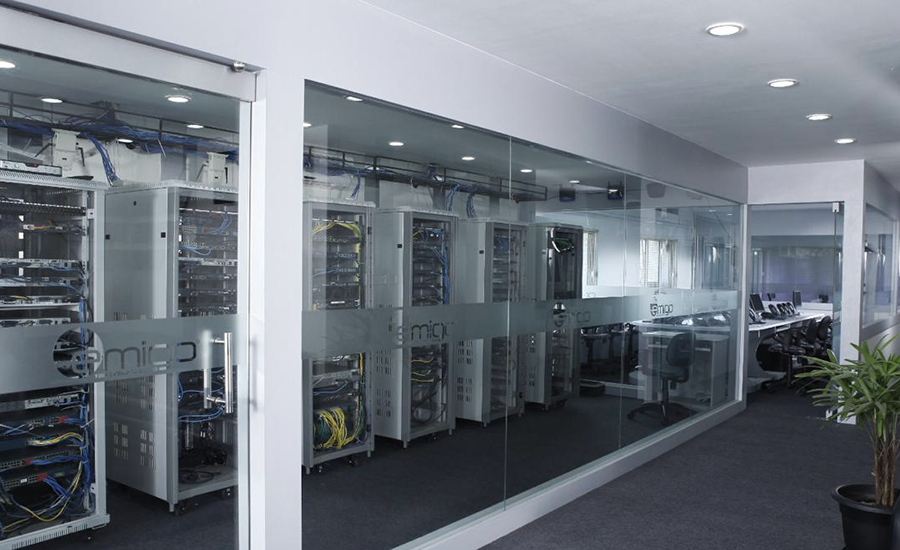
Yes, Emigo Networks includes comprehensive hands-on labs
during the training. These labs allow participants to work with real-world
VMware NSX setups and enhance their practical understanding of network
virtualization.
Earning the VCP-NV 2024 certification opens up career
opportunities in roles such as Network Virtualization Engineer, NSX Administrator,
Systems Engineer, and Cloud Network Engineer.
After completing VCP-NV 2024, participants can explore
advanced VMware certifications like VMware Certified Advanced Professional
(VCAP) in Network Virtualization or VMware Certified Design Expert (VCDX), for
further expertise.
Emigo Networks offers dedicated support, including access to
experienced instructors, study materials, and exam preparation resources to
ensure that participants are well-prepared for their certification exams.
Yes, participants will work on real-world simulations and
capstone projects to apply their theoretical knowledge to practical scenarios,
solidifying their understanding of VMware NSX network virtualization.
Yes, Emigo Networks incorporates periodic assessments and
quizzes throughout the course to gauge participants' progress and ensure they
are prepared for the certification exam.
After certification, participants can stay updated by
engaging in VMware’s continuous learning programs, attending webinars, and joining
community forums that discuss the latest trends and advancements in network
virtualization.
Yes, the training also provides opportunities to develop
essential soft skills like effective communication, teamwork, and problem-solving,
which are critical in collaborative IT environments.
The VCP-NV 2024 certification enhances an organization's IT
team’s expertise in network virtualization, leading to optimized network management,
cost savings, increased efficiency, and better scalability for data center
operations.
Yes, participants can continue their education by enrolling
in specialized courses offered by VMware, attending conferences, or taking
advanced certification programs to expand their knowledge and keep up with
industry developments.
Emigo Networks offers flexibility in pacing for its VMware
VCP-NV 2024 course. Participants can opt for structured schedules or self-paced
learning options to balance their training with other commitments.
Entry Starting point for individuals interested in starting a career as a networking professional. Emigo Provides Best CCNA Coaching Center in Kochi ,Kerala

Earning a cloud certification demonstrates your knowledge and expertise in efficiently developing, deploying, and maintaining cloud-based solutions
Validate your cybersecurity knowledge and expertise with industry-recognized certification preparation training.From vendor-neutral certifications



Biju K Baby
Corporate Trainer
Microsoft|CEH

Paulson TD
Corporate Trainer
Cisco|Redhat

Sheeja S
Corporate Trainer
VMware Certified Instructor VCI | AWS Authorized Instructor AAI

Soumya T
Corporate Trainer
Cisco Security | R & S

Suma Rangappa
Corporate Trainer
Certified EC-Counsil Instructor CEI, CEH, ECSA,CFA,MTA

Siddiq Ahamed
4xCCI E # 17864
R&S, Security, SP, DC

Atif Hussain
DUAL CCI E # 29611
R&S, Security

Vishnu V Nair
CCIE #50757
Routing & Switching

Libins Tom Sebastian
CCIE# 51868
Routing & Switching
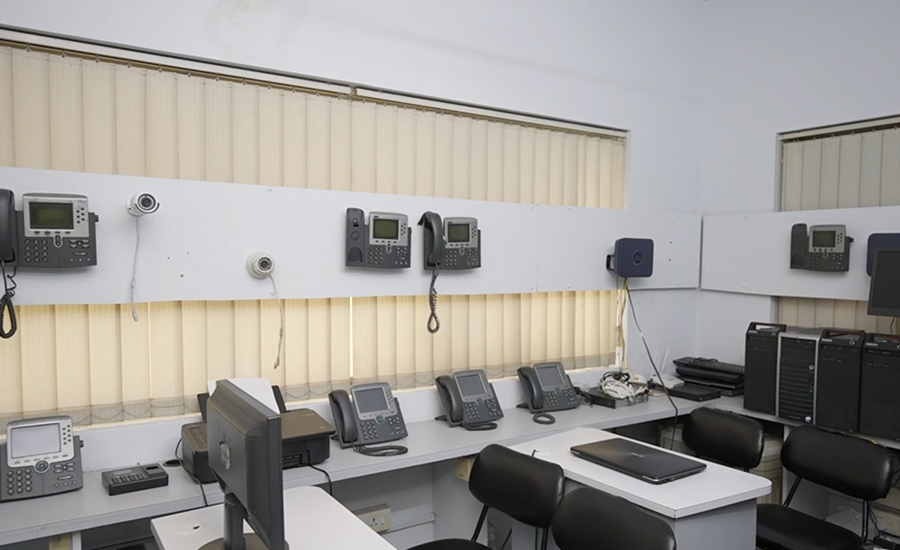
Our training sessions are meticulously crafted by our expert trainers. Every detail is designed to maximize efficiency, ensuring that you get the most value out of your time.






Sunil Kumar KY
Senior Infrastructure Architect
HCL Technologies Bengaluru India
EMIGO's training proved invaluable. It deepened my understanding of complex infrastructure challenges and refined my strategic planning. The practical, real-world scenarios prepared me perfectly for advanced architectural roles.

Rushdie Kizhakeveetil
IT infrastructure Architect
Howserv Limited, England
Training in EMIGO's was exceptional. It provided practical, in-depth knowledge crucial for modern IT infrastructure. I gained immediate applicable skills, significantly boosting my ability to design and manage robust systems.

Sreejith Mungath
Network Support Engineer
CiscoTAC, Bengaluru India
My troubleshooting and diagnostic skills significantly upgraded thanks to the training at EMIGO. The hands-on labs and expert guidance provided practical solutions, making me more efficient and confident in resolving complex network issues.

Prijeesh Naduvalath
Collaboration Engineer
HCL Technologies Chennai India
The training significantly enhanced my capabilities in unified communications and team collaboration platforms.My ability to design and implement seamless solutions for modern workplaces truly advanced,thanks to EMIGO.

Sreeram Padinhitta
Network Engineer
UST Global, Bengaluru, India
My technical prowess in network design,implementation, and troubleshooting greatly improved.EMIGO's practical approach and expert instructors provided invaluable insights, strengthening my foundational and advanced networking skills.

Abdul Muhsin K S
Network Architect
Mindtree, Pune, India
EMIGO's professional training was instrumental. Their expert instructors provided deep insights, enhancing my architectural design skills and problem-solving abilities significantly. Highly recommended for network architects seeking to elevate their expertise

Brodwin Bellermin
Network Engineer
Cezen Technology, Bengaluru India
The advanced concepts and real-world scenarios covered were exceptional. I now confidently tackle complex network challenges and optimize performance, a direct result of the comprehensive training received at EMIGO.

Mohammed Sinan Sha
IT Support Engineer
Mantel, Infopark Kochi India
My problem-solving skills and technical proficiency in supporting diverse IT environments saw a remarkable improvement. The practical, hands-on training from EMIGO equipped me to handle user issues and system maintenance with greater expertise.